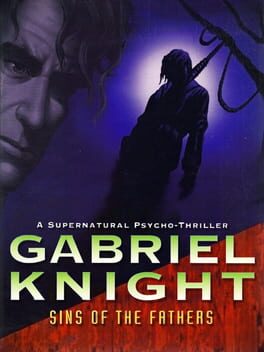
Gabriel Knight: Sins of the Fathers: 20th Anniversary Edition is a point-and-click mystery about investigation, conversations, objects, and puzzle chains. This guide is for the 2014 remake by Phoenix Online Studios and Pinkerton Road Studio, not a general guide to the 1993 original. Broad story knowledge may overlap, but the remake has new puzzles, new scenes, updated presentation, a different interface, achievements, and version-specific route details.
Content warning: The game is a dark murder mystery with horror, voodoo-themed investigation, Animated Blood, and Mild Language. This guide stays non-graphic and focuses on play habits.
Essential Tips
1. Use 20th Anniversary Advice First
The remake is close enough to the classic that old advice can sound convincing, but different enough that it can mislead you. Item availability, item handling, opened areas, new scenes, and some puzzles changed for this edition.
When you are only looking for a nudge, start with your own observation and the in-game hint book. When you need exact route help, make sure the route is for the 20th Anniversary Edition. A correct original-version clue can still point you toward the wrong shelf, screen, day, or item interaction.
2. Think in Ten Days
The story is structured around Day 1 through Day 10. Each day has its own available conversations, research results, open locations, and rough objective. If progress feels blocked, ask what changed today instead of assuming you missed a tiny pixel yesterday.
Build a rhythm: start the day in Gabriel’s bookstore, read what is newly available, talk to Grace, check messages, then visit locations that match the current lead. The game rewards repeated visits because people and places evolve as the investigation moves forward.
3. Save at the Start of Every Day
Make a fresh save when a new day begins. That one habit protects you from missed achievement opportunities, point cleanup, and late-day experiments that spiral into confusion.
Use extra saves before disguise sequences, major clue chains, unfamiliar object puzzles, and any moment where the story clearly narrows your options. You are not saving because the game is dangerous every minute; you are saving because adventure-game progress is easier to troubleshoot from clean checkpoints.
4. Use the Space Bar When a Screen Feels Empty
The remake can show points of interest when you hold the space bar. Use that before sweeping the same room with random clicks. It is especially helpful in decorated rooms, evidence scenes, shops, and outdoor areas where one small interactable can matter.
Do not let the highlight feature replace thinking. A highlighted object still needs the right action, item, or conversation context. Treat it as a way to stop missing hotspots, not as a full puzzle solver.
5. Double-Click to Cut Backtracking
Many areas are single-screen or map-linked locations, and investigation can involve revisiting the same places repeatedly. Double-click movement helps Gabriel cross a screen faster, which keeps the pace from dragging while you test theories or return to a contact.
Use it for convenience, then slow down when entering a new scene. Fast movement is for known ground. New rooms deserve careful looking, talking, and note-taking.
6. Talk Until the Lead Changes
Conversations are not flavor text by default. Ask about relevant topics, revisit important people after new evidence appears, and pay attention when a character gives you a name, phrase, address, object, or research direction.
Grace is especially important because research requests can push the investigation forward on later days. If the day seems done but Gabriel still has an unresolved question, check whether Grace, Mosely, a specialist, or a location contact can turn that question into a concrete lead.
7. Keep Your Own Clue Notes
The game asks you to connect books, symbols, names, photos, conversations, and physical objects. Write down phrases, numbers, symbols, names, and anything that sounds like it belongs in another location.
This is not busywork. Some puzzles depend on remembering a clue from a book, a conversation, or an examined item rather than simply using everything on everything. Your notes make the hint book more useful because you can understand what its nudge is pointing toward.
8. Use Gabriel’s Tools Deliberately
Evidence often needs more than a normal look. The route repeatedly uses the sketchbook, magnifying glass, tweezers, copied markings, reconstructed symbols, disguises, and inventory combinations.
When an object seems important, inspect it, then ask whether a tool makes sense. If a mark, fiber, scale, photo, or symbol is involved, slow down and check your inventory before leaving the area. The right tool at the right time can turn scenery into progress.
9. Separate Story Progress From Completion
The point system is still here, and the Steam version has achievements. That does not mean a first playthrough should become a checklist crawl.
If you want a clean story run, focus on daily progress and sensible exploration. If you want all points and achievements, save at every day start, inspect optional objects, exhaust conversations, and be prepared to replay a day. Completion is much easier when you treat it as its own layer instead of trying to perfect every scene blindly.
10. Use the Hint Book as a Ladder
The built-in hint book is best used gradually. Take the first hint, test your own idea, and only reveal more when you are truly stuck. That preserves the fun of deduction while preventing one puzzle from freezing the whole story.
The hint book is not flawless. If the final hint still leaves a puzzle unclear, stop brute-forcing and review your notes, saves, and version-specific route. The remake still has a few puzzle chains where the clue connection can feel more fragile than the interface suggests.
Daily Investigation Flow
Start each day by resetting your bearings. Read the newspaper, talk to Grace, check messages, and review unresolved leads from the previous day. Then choose locations by purpose: police matters, voodoo research, cemetery evidence, personal history, interviews, or object follow-up.
When you arrive somewhere, do a three-pass sweep. First, look for obvious scene changes. Second, talk to anyone present about current topics. Third, use objects and tools only after you know what the scene is asking. That order avoids the classic adventure trap of throwing inventory at a room before you have the conversation that explains why it matters.
Map travel makes the city feel broad, but the investigation is still structured. If a location has nothing new, do not panic. It may be waiting for a later day, a research result, or an item you have not earned yet.
Interface and Puzzle Habits
The remake’s action prompts make interaction easier than the old icon-bar style, but you still need to pick the right action. If a hotspot offers multiple options, try looking before using, talking before showing, and examining inventory before combining.
Use screen highlights for discovery, double-clicking for travel, and manual notes for logic. Those three tools solve different problems. Highlighting finds interactables, movement saves time, and notes help you connect distant clues.
Inventory puzzles often depend on context. A disguise, copied mark, or research item is not just a thing you own; it belongs to a person, location, or day objective. Before combining items randomly, ask what Gabriel is trying to prove, access, copy, or learn.
Completion and Hints
For achievements and full points, keep one save at the beginning of each day and rotate working saves during the day. If you realize you skipped a conversation topic or optional action, you can recover without replaying the entire game.
Do not let completion pressure ruin the mystery. The first run is strongest when you follow clues naturally, read the world, and let the story unfold. After that, a point-focused cleanup route makes more sense because you know which scenes are story-critical and which are optional.
When stuck, escalate carefully: inspect the room again with highlights, reread notes, revisit Grace or another lead-giver, check whether the day changed a location, then use the hint book. A 20th Anniversary-specific route should be the last step when the hint book cannot turn the clue into an action.
Common Mistakes to Avoid
-
Do not use original-only instructions as exact remake directions - This edition changes enough puzzle and item details to break old step orders.
-
Do not skip day-start saves - One clean save per day makes achievements, points, and puzzle recovery much less painful.
-
Do not ignore Grace’s research role - Some leads need her help before the next connection becomes clear.
-
Do not click randomly before reading the scene - Looking, talking, and note-taking often reveal the logic behind the right item use.
-
Do not forget the space-bar highlight - If a room feels searched but progress is missing, reveal points of interest before blaming the puzzle.
-
Do not treat the hint book as perfect - It helps, but a few puzzles may still need notes, saves, or a remake-specific walkthrough.
-
Do not chase every achievement on a blind run - Completion is cleaner after you understand the ten-day structure.
-
Do not leave evidence unexamined - Marks, photos, symbols, and small clues often need tools or inventory inspection.
Summary
| Category | Top Tip |
|---|---|
| Scope | Follow 20th Anniversary Edition guidance for exact puzzle and item behavior |
| Structure | Treat Day 1 through Day 10 as the main progress spine |
| Saving | Keep a permanent save at the start of every day |
| Interface | Use space-bar highlights and double-click movement to reduce friction |
| Conversations | Revisit people after new evidence, research, or day changes |
| Evidence | Use tools such as the sketchbook, magnifying glass, and tweezers deliberately |
| Completion | Separate finishing the story from all-points and achievement cleanup |
| Hints | Reveal hints gradually, then switch to version-specific route help only if needed |
Did this answer your question?
Your feedback helps keep the useful answers visible.Sources
7 checked for this guideEvery factual claim in this guide was checked against at least two independent sources before publication. These are the references used for Gabriel Knight: Sins of the Fathers: 20th Anniversary Edition.
Next answers


Community notes0
No community notes yet.
Sign in to contribute