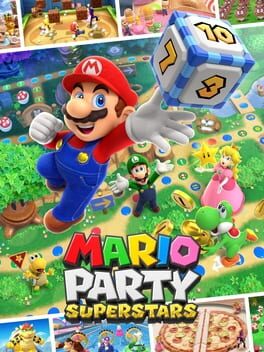
Super Mario Party Jamboree is a big party package, but the main board game still comes down to simple habits: reach Stars with enough coins, win enough minigames to fund your plan, use items before rivals do, and adapt when a board gimmick changes the route. The twist is that Jamboree adds more moving parts than older Mario Party entries, especially Jamboree Buddies, Pro Rules, Koopathlon, Bowser Kaboom Squad, and several board-specific tools.
This guide is for the regular Super Mario Party Jamboree board and mode flow on Nintendo Switch-family systems. Online play, rankings, voice features, Switch 2 behavior, and available language or display options can change with updates and service rules, so check the in-game menus before arranging a group session.
Essential Tips
1. Keep 20 Coins Ready for Stars
The board can look chaotic, but Stars still decide most matches. Treat 20 coins as your emergency floor whenever the Star is reachable soon. Spending on a shiny item, trap, or detour feels good until you arrive at the Star one minigame payout short.
If you are far away, spend with a purpose. A Double Dice, Golden Pipe, board-exclusive item, or denial tool can be worth dipping below 20 when it creates the next Star chance. Near the Star, protect the money first and buy extras after the exchange.
2. Count Spaces Before Every Item
Jamboree gives you many movement tools, and guessing wastes them. Before using a Mushroom, Double Dice, Pipe-style movement item, board-exclusive tool, or shop jump, open the map and count to the Star, shop, Boo, junction, event space, and danger zone.
Counting also keeps you from helping a rival. Moving the Star, changing a route, or triggering a board event can turn a bad position into a great one for someone else. If the item does not improve your next two turns, save it until the board state makes the play obvious.
3. Chase Jamboree Buddies When the Timing Works
Jamboree Buddies can be match-swinging because they add unique benefits and can double important board effects. They are especially strong when you can buy Stars, collect coins, hit Boo, use a key route, or chain multiple good spaces while they are with you.
Do not abandon a guaranteed Star just because a Buddy appears. A Buddy is temporary and can be taken by another player who passes by. The best play is usually to chase one when you can reach them quickly, win the Showdown Minigame, and immediately convert the benefit into Stars, coins, items, or denial.
4. Use Board Gimmicks as Route Tools
Each board asks you to watch a different system. Mega Wiggler’s Tree Party changes paths around Wiggler. Roll ‘em Raceway rewards fast movement. Goomba Lagoon can trap routes when the tide shifts. Rainbow Galleria has floors, shops, stamps, and price pressure. Western Land revolves around train positioning. Mario’s Rainbow Castle tests tower timing. King Bowser’s Keep adds Bowser Byway risk and vault pressure.
Before each roll, ask what can change before your next turn. If a tide, train, tower, Wiggler movement, escalator, or Bowser path can ruin your route, pick the safer line or hold an item that lets you recover.
5. Buy Items for a Job, Not for Inventory
A full inventory is not automatically strong. Good purchases answer a clear problem: reach a Star, slow a leader, open a gate, dodge a bad path, change a board state, steal an item, call Boo, or protect a late lead.
Movement items are best early because they create more Star attempts over the match. Disruption and exact-position tools get stronger late because one stolen item, trap, or route change can decide the final standings. If you cannot name the job an item will do, keep the coins.
6. Switch to Pro Rules After Learning the Boards
Party Rules are better for a first session because they show the full swingy Mario Party rhythm. Pro Rules are better when your group wants a cleaner contest with more planning. Since Pro Rules reduce some random outcomes and show more information up front, your mistakes become easier to punish.
Try each board casually first, then use Pro Rules when everyone understands the main gimmick. Starting items, announced bonus goals, shop limits, and adjusted spaces make pre-game planning matter more, especially for players who already know common routes.
7. Match the Mode to Your Group
Mario Party is the best default for a couch or friend room. Minigame Bay is better when people want quick sessions. Party-Planner Trek is the solo path for exploring boards, completing tasks, and unlocking more of the package. Bowser Kaboom Squad is cooperative and supports larger online play after its solo requirement. Koopathlon is the competitive race format where minigame performance drives your position.
Motion-focused modes and minigames need the right controller setup. If someone is on Switch Lite, using a Pro Controller, or playing online, choose button-friendly activities and check the mode prompts before everyone settles in.
8. Unlock Boards Before Judging the Game
Jamboree opens with several boards, but not all seven are available immediately. Western Land, Mario’s Rainbow Castle, and King Bowser’s Keep are tied to player rank or Party-Planner Trek progress. Hidden characters and several rewards also sit behind exploration, rank, points, or specific objectives.
If the early board mix feels too simple, spend time in Party-Planner Trek and other modes to raise rank, collect rewards, and open the rest of the board list. More boards also means more practice against different gimmicks, which helps when you return to competitive matches.
9. Respect Online Limits Before Making a Room
Online setup depends on mode, player count, console count, and whether a mode has been cleared solo first. Mario Party and Minigame Bay support smaller online groups, while Bowser Kaboom Squad and Koopathlon use one player per console online and have larger limits.
Before inviting everyone, decide whether you need a four-player room, a larger room, or offline play. Make sure every console is updated and that each player understands which modes support shared-console play, online play, or solo-only setup.
10. Practice Minigames With the Right Controls
Over 110 minigames means nobody will be sharp at everything right away. Read the win condition, check whether the game uses buttons or motion, and practice awkward timing games before coins or race placement are on the line.
In board play, one minigame can fund a Star or block a steal. In Koopathlon, minigame performance directly controls race progress. In Bowser Kaboom Squad, cooperative minigames feed team momentum. Slow down long enough to learn the input pattern.
11. Plan Around Bonus Goals Late
Late turns are where a player with fewer Stars can still catch up through bonus goals, steals, and Buddy swings. Once the match is halfway over, start tracking who is winning minigames, spending coins, landing on special spaces, and triggering board events.
If your group uses settings that reveal or constrain bonus goals, shape your final turns around them. Sometimes the correct play is not the shortest path to the Star, but the path that preserves a category lead while denying someone else’s comeback.
12. Treat Switch 2 Features as Session Settings
Jamboree has update history tied to Nintendo Switch 2 Edition and Jamboree TV. That does not mean every group has the same feature set, display behavior, camera option, or chat setup.
For mixed-console groups, agree on the base mode first, then check update status, controller requirements, and online room options. That prevents the session from stalling because one player expected a feature or control scheme another setup cannot use.
Common Mistakes to Avoid
- Do not spend below 20 coins near a Star - arriving broke wastes the route.
- Do not chase a Jamboree Buddy while ignoring a guaranteed Star - convert the sure point first unless the Buddy creates a bigger immediate swing.
- Do not use dice items without counting spaces - speed can overshoot shops, Stars, Boo, or safe paths.
- Do not assume all boards use the same strategy - each board gimmick changes item value and route risk.
- Do not buy items just to fill slots - every purchase should solve a board problem.
- Do not start Pro Rules before the group knows the boards - the cleaner rule set rewards prepared players more.
- Do not plan online rooms from memory - mode limits and shared-console rules vary.
- Do not forget motion-control limits - some activities require Joy-Con and may not fit every setup.
- Do not ignore Party-Planner Trek - it helps open boards, bosses, rewards, and solo practice.
- Do not coast in late turns - bonus goals, steals, and Buddy effects can still flip the match.
Summary
| Category | Top Tip |
|---|---|
| Stars | Keep 20 coins ready whenever the Star is reachable |
| Items | Buy tools that solve a route, denial, or comeback problem |
| Buddies | Chase them when you can convert the benefit quickly |
| Boards | Read each gimmick before rolling or spending |
| Pro Rules | Use them after the group understands the board flow |
| Modes | Match the activity to player count and controller setup |
| Online | Update first and check room limits before inviting players |
Did this answer your question?
Your feedback helps keep the useful answers visible.Sources
7 checked for this guideEvery factual claim in this guide was checked against at least two independent sources before publication. These are the references used for Super Mario Party Jamboree.
Next answers
Community notes0
No community notes yet.
Sign in to contribute