Content warning: this collection includes mature-rated material such as intense violence, blood, language, sexual themes, drug references, and tobacco use. This guide keeps its advice non-graphic and focused on play.
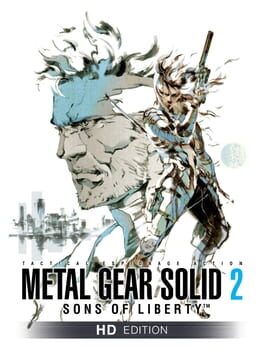
Metal Gear Solid HD Collection is best treated as a set of related stealth games, not one campaign with one rulebook. The home-console package is centered on Metal Gear Solid 2, Metal Gear Solid 3, and Peace Walker, while portable and regional releases can differ. Learn the shared stealth language first, then adjust for each game.
Essential Tips
1. Check Which Games Your Version Includes
The safest first move is to identify your platform and menu. On PS3 and Xbox 360, the collection is commonly framed around Metal Gear Solid 2, Metal Gear Solid 3, and Peace Walker. The Vita release is different because Peace Walker is not part of that package. Some regions also handled Peace Walker separately. If a menu option is missing, do not assume your copy is broken.
This matters for planning. MGS2 teaches tight indoor stealth, cameras, bodies, and patrol timing. MGS3 adds outdoor survival, camouflage, food, treatment, and trap awareness. Peace Walker is more mission-based and asks you to think about loadouts, replays, bosses, and long-term preparation.
2. Start With Stealth, Not Combat
All three major games reward patience more than rushing. Before crossing a room or jungle path, stop long enough to read guards, cameras, noise, and exits. Move when a patrol turns away, keep your weapon choice quiet when possible, and use alerts as a sign that your route needs work.
Combat is available, but it usually creates more problems than it solves. A fight can bring reinforcements, drain supplies, or leave bodies where patrols and cameras can find them. If you must neutralize a guard, think about what happens after the guard drops.
3. Respect Body and Camera Management in MGS2
MGS2 is strict about contained spaces. A body left in a corridor can turn a clean room into an alert chain, and a camera can punish a sloppy knockout even when no guard is nearby. If you take someone down, move them out of common sightlines when the area gives you room.
Do not treat the Tanker and Plant chapters as identical. The Tanker teaches close-quarters movement and ship interiors; the Plant expands the problem into linked struts, sensors, patrols, and backtracking. Your best habit is to clear a small space, then move with a reason.
4. Use MGS3 Tools Like Survival Gear
MGS3 changes the rhythm. Outdoor areas make camouflage, terrain, traps, food, and recovery matter. Thermal Goggles can help spot hazards, but they are not a substitute for careful movement. If a path looks empty, assume the jungle may still hide traps or animals.
Inventory choices also carry consequences. Some captures and special items can affect optional rewards, so avoid eating or discarding unusual finds until you know why they matter. For a first clear, survival and steady progress beat perfect unlock routing.
5. Prepare Peace Walker Missions Before Launching
Peace Walker is less about walking through one uninterrupted story route and more about selecting missions, building habits, and returning with better equipment or knowledge. Before deploying, look at the objective, bring gear that fits the job, and leave room for non-lethal or boss-focused tools when the mission calls for them.
Boss machines ask for movement more than bravery. When missiles lock on, keep moving across the arena. When a machine punishes the space beneath it, get out from under it. When a part attacks from a specific angle, use cover and reposition instead of standing still to trade damage.
6. Separate Story Order From Release Order
If you are new, there are two reasonable approaches. Release-style play means MGS2 before MGS3, then Peace Walker. Timeline-style play puts MGS3 before Peace Walker, with MGS2 later. The collection itself can support either, but the controls and systems may feel more natural if you learn them in release-style order.
Do not force yourself into a completionist order on the first pass. These games have optional routes, extras, ranks, and special challenges that are easier after you understand the basic stealth vocabulary.
7. Treat Extras as Second-Pass Content
The HD package includes versions based on expanded releases, so extras can be tempting. MGS2-linked VR missions, alternate missions, and side material are better once you understand movement, aiming, guard reactions, and item use. MGS3 extras and older Metal Gear titles inside its menu also deserve their own pace.
A first clear should teach you how each game thinks. After that, optional challenges become practice instead of confusion.
8. Hedge Every Platform-Specific Habit
Controls and features can differ across PS3, Xbox 360, Vita, Shield, and later availability paths. Pressure-sensitive actions from the original PS2 era may be remapped on platforms without those buttons. Vita uses handheld-specific inputs. Save movement and online features can depend on the exact release and current service state.
When a tactic depends on a button behavior, test it in a quiet area before using it in a boss fight or alert-sensitive route. Write down the version you are playing if you plan to follow detailed challenge routes later.
Collection Boundaries
This guide is for Metal Gear Solid HD Collection as a collection-level starting point. It does not claim that every platform includes the same games, extras, or services. It also does not cover Metal Gear Solid 4, Metal Gear Solid V, or later Master Collection changes as if they were part of the original HD package.
The key boundary is Peace Walker. On the home-console HD Collection, it is a central part of the package in many regions. On Vita, plan around MGS2 and MGS3 unless your setup provides Peace Walker separately.
Stealth Habits
Move in short commitments. Cross a gap, stop somewhere covered, then reassess. Use cameras and patrol cones as puzzles rather than obstacles to sprint past. If you trigger suspicion, learn what caused it before repeating the same route.
Use non-lethal tools whenever the game gives you a practical choice. Quiet takedowns, tranquilizers, and patient pathing often preserve supplies and reduce cleanup. If you choose lethal force, account for noise, bodies, and follow-up patrols.
Save before experimenting when your version allows it. Metal Gear games hide consequences in small decisions, and one careless item choice can affect an optional reward much later.
Game-by-Game Focus
MGS2 rewards precision. Watch camera arcs, hide or move bodies, and understand that noise can matter. The game is dense, so a slow route is usually faster than recovering from repeated alerts.
MGS3 rewards adaptation. Camouflage, food, treatment, traps, and terrain make it feel different from the corridors and industrial spaces around MGS2. Change your approach when the environment changes.
Peace Walker rewards preparation and replay. Use early missions to learn the control feel, then adjust equipment for tougher operations and machine fights. If a boss pattern keeps catching you, change movement first, then change weapons.
Common Mistakes to Avoid
-
Do not assume every platform has Peace Walker - check your menu and release before planning a full three-game route.
-
Do not leave bodies in obvious paths - guards and cameras can turn one takedown into a full alert.
-
Do not sprint through empty-looking jungle - MGS3 areas can hide traps, animals, and terrain problems.
-
Do not eat or discard unusual captures immediately - some MGS3 finds may matter for optional rewards.
-
Do not bring one Peace Walker loadout to every mission - objectives and bosses can ask for different tools.
-
Do not stand under large Peace Walker machines - reposition when the boss punishes the space beneath you.
-
Do not start extras before learning the basics - side modes are smoother after a first story clear.
-
Do not copy PS2 control assumptions blindly - HD platforms can remap actions that depended on older buttons.
-
Do not chase perfect ranks on a first clear - learn rooms, systems, and boss movement before challenge routing.
-
Do not treat later collections as identical - newer releases can package games and extras differently.
Summary
| Category | Top Tip |
|---|---|
| Version check | Confirm your platform and included games before planning |
| MGS2 | Manage bodies, cameras, and alert chains carefully |
| MGS3 | Treat camouflage, traps, food, and recovery as core systems |
| Peace Walker | Prepare mission loadouts and adapt to boss movement |
| Extras | Save optional modes and challenge cleanup for a second pass |
| Controls | Test platform-specific actions before relying on them |
Did this answer your question?
Your feedback helps keep the useful answers visible.Sources
6 checked for this guideEvery factual claim in this guide was checked against at least two independent sources before publication. These are the references used for Metal Gear Solid HD Collection.
Next answers
Community notes0
No community notes yet.
Sign in to contribute