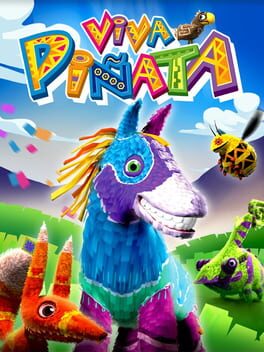
Viva Pi$?ata: Trouble in Paradise is the sequel commonly displayed as Viva Piñata: Trouble in Paradise or Viva Pinata: Trouble in Paradise. It keeps the garden-life structure, then adds more species, party goals, co-op, the Dessert Desert, the Pinarctic, tricks, and Just for Fun.
This guide is for players who want a productive garden without turning the whole save into a cluttered checklist. The main idea is simple: make each piñata appear, bring it in as a visitor, satisfy its resident needs, then use romance, tricks, and party readiness to grow your collection on purpose.
Content warning: The game is rated Everyone with Comic Mischief and Mild Cartoon Violence. This guide focuses on garden management and keeps the light cartoon conflict non-graphic.
Essential Tips
1. Think in Appear, Visit, Resident, Romance
Every species plan is easier when you separate the steps. A wild piñata at the edge is not the same thing as a resident you can rely on. First you make the species notice the garden, then you meet the visit condition, then the resident condition, and only then should you spend on romance planning.
This order saves space and coins. If a piñata needs a specific plant, terrain, or meal to settle in, build only the next requirement you can act on. A house, accessory, or romance sweet is wasted if you still have not made the first pair into residents.
2. Work on One or Two Species Chains at a Time
Trouble in Paradise has a huge roster, but your garden still has limits. Trying to keep every exciting resident at once leads to fights, blocked paths, crowded houses, and food chains that eat into each other.
Pick a short-term target, such as finishing awards for one species, preparing a pair for romance, or setting up the next party request. Keep only what serves that target. When that chain is done, sell or store what you no longer need and reshape the garden for the next one.
3. Use the Journal Before You Guess
The game is built around requirements, not random luck. When a visitor arrives, a resident changes status, or a party request appears, check the in-game information before rearranging the whole garden. You are looking for terrain percentages, plants, other residents, food, houses, tricks, or candy level.
If progress stalls, do not buy five different objects and hope one works. Change one condition, watch the result, then move to the next.
4. Keep Open Paths Around Entrances and Houses
Visitors need routes into the garden, residents need room to move, and romance plans need space around houses. A beautiful garden can still fail if piñatas cannot reach the food, partner, or object they need.
Leave lanes near the boundary and avoid packing houses tightly around the entrance. Put crops in controlled patches, keep water and special terrain where they serve a purpose, and leave a temporary area for bait, party prep, and new objects.
5. Treat Romance as Production
Romance is how you turn two residents into a stable supply. Once a pair is ready, direct them together, complete the maze, and use the egg outcome to support the next goal. Extra residents can become party candidates, trick learners, sale stock, or backup if another requirement consumes one.
Do not wait for the garden to refill naturally when you need several members of the same species. If you already have a working pair and a house, repeated romance is usually the cleanest way to build numbers.
6. Prepare for Dessert Desert and Pinarctic Trips
The desert and arctic areas are not just sightseeing stops. They are capture spaces where bait and traps bring new species back to your main garden. Before leaving, know what you want to catch and why you need it.
Bring a purpose to each trip: a party request, a resident chain, or a species award. After a capture returns to the garden, do not assume the work is finished. You still need to satisfy the garden-side requirements that turn that piñata into a dependable resident.
7. Fill Party Candidates Before Sending Them
Party challenges ask for a specific piñata that is ready to perform. That means you should plan beyond mere ownership. Keep the candidate healthy, safe, and full of candy before you send it away.
Use party requests as a roadmap for what to raise next. They give structure to the collection loop when the garden offers too many possibilities. A party goal can tell you which species chain deserves the next block of space.
8. Teach Tricks When They Serve a Goal
The Trick Stick is useful, but tricks are still part of a broader plan. Teach them when a species chain, party request, award, or personal garden goal benefits from the time spent. Do not interrupt a fragile resident setup just because a new activity unlocked.
When you do train a piñata, keep it away from hazards and distractions. A trick target should be easy to find, easy to select, and not sitting in the middle of fights, weeds, or predator food chains.
9. Use Shortcuts for Repeated Garden Work
Trouble in Paradise smooths out chores compared with the first game. Use quick access for tools, seeds, fertilizer, piñata selection, and pond shaping whenever the interface offers it. The less time you spend digging through menus, the easier it is to keep momentum.
Batch routine work. Plant several matching seeds in one pass, fertilize at planned growth moments, reshape water in one deliberate action, then return to species management. Small speed gains matter because gardening is constant.
10. Use Just for Fun to Learn Without Pressure
If normal mode feels busy, Just for Fun is a good learning space. It removes several hassles and lets you practice layout, planting, movement, and species care with less pressure.
Treat it as training, not as a full replacement for the main progression. When you return to the standard garden, money, hazards, sour visitors, and requirement chains matter again. The habits you want to carry over are clean space, careful requirement reading, and focused species planning.
Garden Planning Priorities
A strong Trouble in Paradise garden is organized around the next three goals, not every possible future species. Keep a crop patch, a housing zone, an open lane from the edge, and one flexible area for experiments. When a species needs water, sand, snow, or a specific plant, add only enough to meet the goal and keep the rest of the garden readable.
Coins should move the plan forward. Buy houses when you have a pair ready or nearly ready. Buy seeds and fertilizer when they feed a requirement, a party candidate, or a money loop. Save decorative spending until the garden is stable enough that decoration will not block movement or hide problems.
Watch residents that are part of food chains. Some visitors need to eat other piñatas, and some residents dislike each other. Before inviting a risky visitor, decide which piñatas are expendable and which must be protected for romance, awards, or party tasks.
Trapping and Party Goals
Dessert Desert and Pinarctic catches should be treated like projects. Check what the target needs, make the capture trip, then return to the garden with space prepared. If the crate arrives and the garden is crowded or missing terrain, the new piñata may become another problem instead of progress.
Party requests are useful because they turn the broad collection game into clear tasks. Choose one request, raise the correct piñata, fill its candy level, and send it when ready. If the request needs a species you do not have yet, build the appear and resident chain first instead of rushing the final step.
Co-op and Mode Choices
Co-op is best when players divide jobs clearly. One player can manage planting and terrain while another watches residents, shops, traps, or party candidates. Without roles, two players can accidentally undo each other’s layout work or spend coins on competing goals.
For a relaxed session, Just for Fun lets newer players learn without normal pressure. For full progression, play the main mode and keep the garden focused. Practice mode teaches systems; the main garden rewards deliberate requirement chains.
Common Mistakes to Avoid
- Do not try to keep every species in one garden - Space, pathing, and resident conflicts will break your plans.
- Do not buy houses before residents are ready - A house only helps when the species chain is close enough to use it.
- Do not ignore black-and-white visitors - They show that a requirement chain is partly working.
- Do not invite a predator-style visitor without spare stock - Valuable residents can become meals if you are careless.
- Do not leave party candidates in danger - Keep them healthy and full before sending them.
- Do not trap desert or arctic species without garden space prepared - A captured piñata still needs a workable home.
- Do not scatter crops everywhere - Controlled patches make food, fertilizer, and cleanup easier.
- Do not train tricks in the middle of garden chaos - Move the piñata into a calm setup first.
- Do not let co-op partners spend toward different goals - Agree on the next species, party, or layout task.
- Do not treat Just for Fun habits as full main-mode habits - Normal play still has coins, hazards, and tougher planning.
Summary
| Category | Top Tip |
|---|---|
| Requirements | Move through appear, visit, resident, and romance in order |
| Garden Space | Focus on one or two species chains instead of collecting everything at once |
| Journal | Check conditions before buying objects or reshaping terrain |
| Romance | Use ready pairs to produce backup residents and party candidates |
| Trapping | Enter Dessert Desert and Pinarctic with a target and prepared space |
| Parties | Raise the requested piñata, fill its candy level, then send it |
| Tricks | Teach tricks when they support awards, parties, or planned goals |
| Co-op | Divide jobs clearly so helpers do not work against the layout |
Did this answer your question?
Your feedback helps keep the useful answers visible.Sources
8 checked for this guideEvery factual claim in this guide was checked against at least two independent sources before publication. These are the references used for Viva Pi$?ata: Trouble in Paradise.
Next answers


Community notes0
No community notes yet.
Sign in to contribute